


Understanding solar energy can feel complicated at first. Terms like kWp, inverter, export rate, and self-consumption are often used when discussing solar panels, but they are not always clearly explained.
This guide breaks down the most important solar power terms in simple language, helping you understand how solar PV systems work and how they can reduce your electricity bills.
Whether you are considering installing solar panels or just researching your options, this page will help you make more informed decisions.
Solar PV (Photovoltaic)
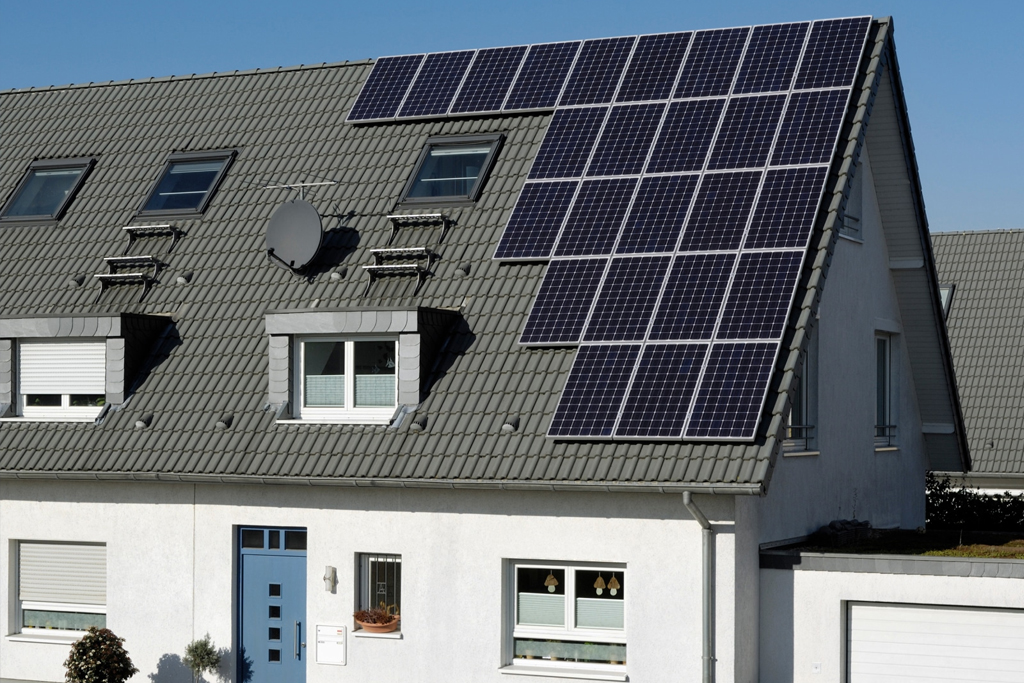
Solar PV refers to the technology that converts sunlight into electricity. Solar panels installed on your roof generate electricity when exposed to daylight.
kW, kWh and kWp Explained
These are some of the most commonly misunderstood terms.
- kW (kilowatt) – A measure of power (how much electricity is being used or generated at a moment in time)
- kWh (kilowatt-hour) – A measure of energy (how much electricity is used over time)
- kWp (kilowatt peak) – The maximum output of a solar system under ideal conditions
Example:
A 5 kWp solar system can generate around 4,000–4,500 kWh per year in Ireland.
Solar Inverter
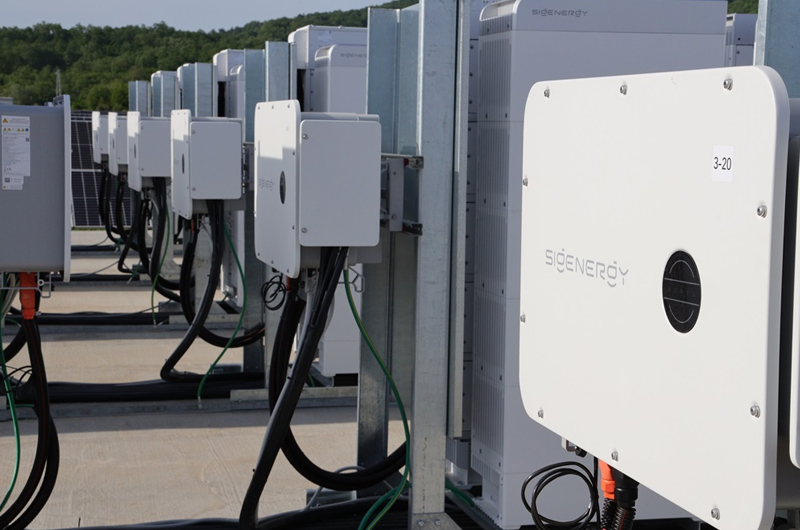
The inverter is one of the most important components of a solar system. It converts the electricity generated by your solar panels into usable electricity for your home.
Solar Battery Storage
A solar battery stores excess electricity generated during the day so it can be used later, typically in the evening when solar panels are no longer producing energy.
Self-Consumption
Self-consumption refers to the amount of solar electricity you use directly in your home rather than exporting it to the grid. The higher your self-consumption, the greater your savings.
Export / Feed-in Tariff
If your solar system generates more electricity than you use, the excess can be exported back to the grid. In Ireland, energy suppliers pay for this electricity through a feed-in tariff.
Grid Connection
Your solar system is connected to the electricity grid. This allows you to:
- use electricity from the grid when needed
- export excess solar electricity
Day vs Night Usage
Solar panels generate electricity during daylight hours. Homes that use more electricity during the day tend to benefit more from solar.
SEAI Solar Grant
The SEAI Solar PV Grant helps reduce the cost of installing solar panels in Ireland. The grant amount depends on the size of your system, up to a maximum level.
Payback Period
The payback period is the time it takes for your energy savings to cover the cost of the solar system.
Solar-as-a-Service
Solar-as-a-Service is an alternative to purchasing a system upfront. Instead of paying the full cost, you pay a fixed monthly fee while benefiting from the electricity generated by the system.
Electricity Unit Rate
This is the price you pay per kWh of electricity from your energy supplier. The higher your electricity rate, the more valuable solar savings become.
Understanding these terms helps you see how solar panels reduce electricity costs.
For example:
- Higher self-consumption = more savings
- Higher electricity prices = greater value from solar
- Adding a battery = increased usage of solar energy
By combining solar panels with smart energy usage, many homes in Ireland can significantly reduce their electricity bills.
Many homeowners delay installing solar panels simply because the terminology feels confusing. However, once the key concepts are understood, solar becomes much easier to evaluate.
This knowledge helps you:
- compare different solar quotes
- understand system size and performance
- make better financial decisions
- maximise your energy savings
Now that you understand the key terms, the next step is to see how solar would work for your home.
Use our Solar Savings Calculator to estimate how much you could save, or contact our team for a personalised solar assessment.
Frequently Asked Questions
kW measures power at a moment in time, while kWh measures how much electricity is used or generated over time.
Yes. Solar panels generate electricity from daylight, not just direct sunlight, making them effective even in Ireland’s climate.
All components are important, but the inverter and installation quality play a key role in overall system performance.
No, but it can increase savings by allowing you to use more of your own solar electricity instead of exporting it.