Solar Battery Storage Solutions for Homes in Ireland
Get More Value from Your Solar Energy
Battery storage allows you to store surplus solar electricity generated during the day and use it later when your panels are not producing. When designed and applied correctly, batteries can increase self-consumption, reduce grid reliance and improve energy flexibility.
At MySolar, we only recommend battery storage where it makes technical and financial sense. Batteries are not a universal add-on, and suitability depends on how and when energy is used.
Get In Contact
Professional & Experience Services
How Battery Storage Works
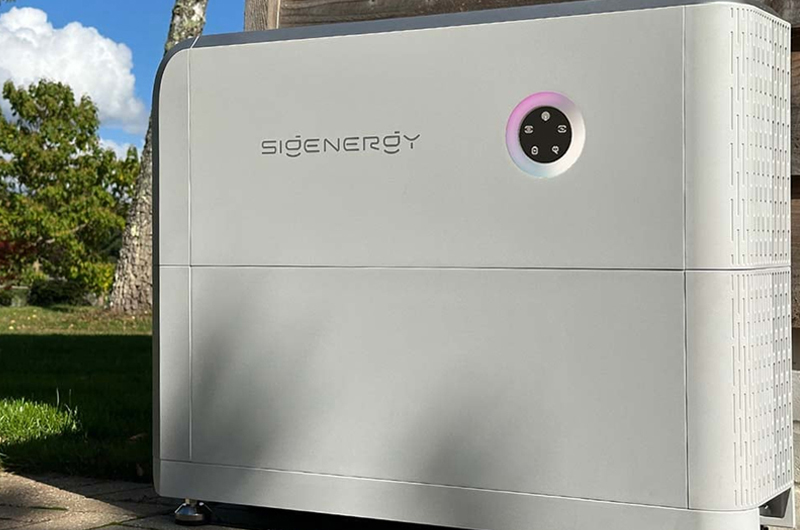
A battery stores excess electricity generated by your solar PV system instead of exporting it to the grid. That stored energy can then be used:
- In the evening or at night
- During peak electricity price periods
- When solar generation is low
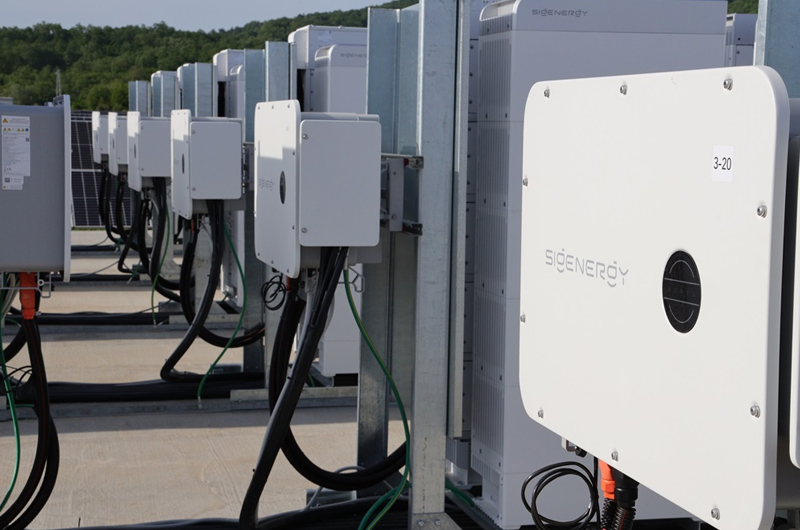
When Battery Storage Makes Sense
Battery storage is most effective where one or more of the following apply:
- Daytime solar generation regularly exceeds on-site usage
- Evening or night-time electricity use is significant
- Export rates are lower than import costs
- Energy prices are volatile
- Greater control over energy use is desired
When a Battery May Not Be the Right First Step
Batteries are not always the best initial investment.
We may advise against battery storage where:
- Most solar energy is already used on site
- System size is relatively small
- Usage patterns do not support meaningful charge/discharge cycles
- Payback would be excessively long
In many cases, installing solar first and adding a battery later is the smarter approach.
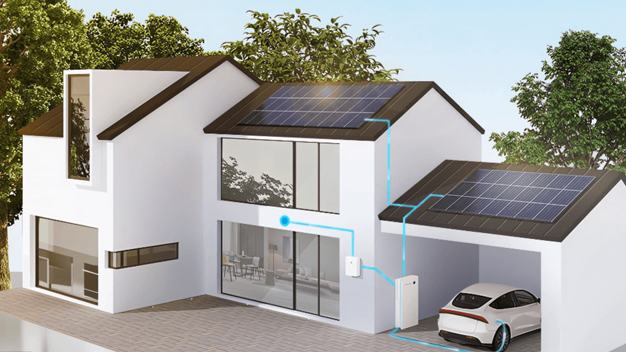
Battery Storage for Homes
For residential customers, batteries can:
- Increase solar self-consumption
- Reduce evening electricity purchases
- Support future EV charging or electrification
However, the financial case depends heavily on household behaviour. We assess real usage patterns before making a recommendation.
Battery systems can be installed:
- Alongside a new solar PV system
- As a retrofit to an existing MySolar or third-party installation
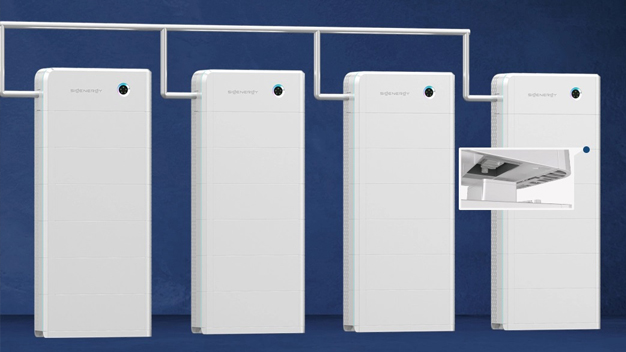
Battery Storage for Commercial & Non-Domestic Sites
For non-domestic customers, battery storage can support:
- Load shifting to reduce peak imports
- Better utilisation of on-site solar generation
- Greater control over energy flows
Battery suitability in commercial settings depends on:
- Load profiles and peak demand
- Export constraints
- Tariff structures
- Operational requirements
We assess these factors carefully before recommending battery deployment.
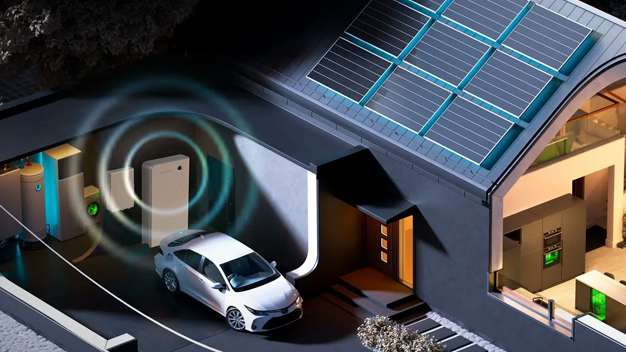
Battery Technology & Quality
MySolar specifies battery systems selected for safety, reliability and long-term performance.
Key considerations include:
- Battery chemistry and cycle life
- Depth of discharge and usable capacity
- Manufacturer warranties
- Integration with inverters and monitoring platforms
We focus on proven technologies rather than experimental or untested solutions.
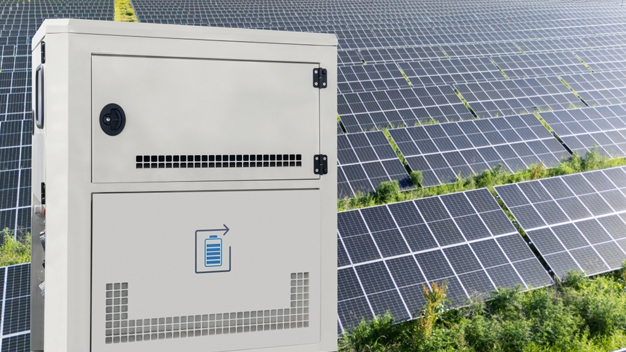
Safety & Installation Standards
Battery systems require careful design and installation.
All MySolar battery installations include:
- Manufacturer-approved configurations
- Appropriate isolation and protection
- Clear monitoring and control
- Compliance with applicable electrical standards
Safety is treated as non-negotiable.
Battery Lifespan & Degradation
All batteries degrade over time. This is normal and expected.
We explain clearly:
- Expected usable lifespan
- Warranty coverage and limitations
- How degradation affects performance over time
Batteries and Solar-as-a-Service
In some cases, battery storage can be incorporated into a Solar-as-a-Service arrangement.
Where appropriate:
- Battery performance is monitored alongside the solar system
- Maintenance and support are included
- System design focuses on cashflow and usage, not just capacity
Future Tariffs & Grid Changes
Energy tariffs and grid structures are evolving. Batteries may play a greater role in future through:
- Load shifting
- Peak avoidance
- Greater grid interaction
MySolar monitors regulatory and tariff changes and advises customers as opportunities emerge.
Our Battery Assessment Process
We follow a structured approach:
Usage Review
Suitability Assessment
Recommendation
Installation & Integration
Ongoing Support
Frequently Asked Questions
A battery stores unused electricity, typically solar generation produced during the day. This is done so it can be used later, usually in the evening or at night.
This increases self-consumption and reduces reliance on grid electricity.
No. A battery can also be used to store electricity purchased at lower night rates and discharge it during higher daytime tariffs. However, batteries are most effective when paired with solar and generate from greater energy savings.
Savings depend on:
- Electricity tariff structure
- Day vs night rate difference
- Usage pattern
- Battery size
Where there is a large difference between night and day rates, savings can be meaningful.
Grid arbitrage means charging the battery at a lower night-rate tariff and using that stored electricity during peak-rate periods.
This reduces the amount of high-cost electricity purchased from the grid.
Most lithium battery systems carry warranties of 10 years or a defined number of charge cycles usually approx. 6000 cycles.
Actual lifespan depends on usage patterns and system configuration.
Most residential solar systems use approximately:
- 0.7 to 1 cycle per day
This depends on:
- Solar generation levels
- Evening electricity usage
- Whether night-rate charging (grid arbitrage) is used
Battery size depends on:
- Daily electricity usage
- Evening consumption
- Solar system size
- Tariff structure
Typical residential systems range from 5kWh to 15kWh. Commercial systems can be significantly larger.
Most standard grid-tied battery systems do not automatically provide backup power.
Backup functionality requires specific inverter and switchgear configuration.
No. A battery reduces grid dependency but does not eliminate electricity usage entirely.
Savings depend on system size and consumption profile.
Battery ROI varies more than solar ROI.
It is strongest where:
- Night-rate tariffs are low
- Evening consumption is high
- Export payments are low
A tailored financial model is required to assess viability.
Yes. Many solar systems are designed to allow battery integration at a later stage.
Compatibility depends on inverter type and system configuration. We install battery ready hybrid inverters in all our installs
Battery systems require minimal maintenance.
Monitoring software tracks performance and system health.
Currently, the standard SEAI Solar PV Grant does not cover standalone battery storage.
Policy updates should be checked periodically.
For businesses, batteries can be used for:
- Peak demand reduction
- Grid arbitrage
- Solar optimisation
- Energy cost management
- Future smart grid participation
Modern lithium battery systems include integrated battery management systems (BMS), thermal protection, and safety shut-offs.
Installations must comply with electrical and fire safety standards.
We review:
- Your electricity bills
- Tariff structure
- Usage profile
- Existing solar generation (if applicable)
From this, we model projected savings and determine whether battery storage improves your overall energy strategy.
Not always.
In some cases:
- Strong daytime usage already consumes most solar
- Export payments are competitive
- Tariff spreads are small
In these scenarios, panels alone may deliver better ROI initially.
Talk to MySolar About Battery Storage
Battery storage can be a powerful addition — when applied correctly.
We will give clear, honest advice on whether a battery will genuinely add value to your home or organisation.

Authorised Installers For