
Industrial and Commercial Battery Energy Storage Systems (BESS) in Ireland
Large-Scale Battery Storage, Grid Management & Long-Term Energy Optimisation
MySolar delivers industrial-scale Battery Energy Storage Systems (BESS) designed to support grid management, energy cost control, and long-term operational resilience for commercial and industrial sites.
Our BESS solutions are engineered for mid to large installations, typically ranging from hundreds of kilowatts up to approximately 2MW, and are supported by ongoing energy management services over 5 to 15-year terms.

What Is Industrial BESS?
An industrial BESS is a large-scale battery system designed to store electrical energy and deploy it strategically based on site demand, grid conditions, and commercial objectives.
Unlike residential or small commercial batteries, industrial BESS is not about backup power alone. It is an active energy infrastructure asset that can:
- Shift energy usage away from peak grid periods
- Support grid stability and compliance
- Optimise on-site generation and consumption
- Enable participation in future grid services
- Reduce long-term energy cost volatility
irish investor awards winner 2024
Typical System Scale & Applications
MySolar designs BESS solutions typically in the range of:
250kW – 500kW
Medium industrial and logistics sites
500kW – 1MW
Large commercial, manufacturing, data-driven operations
1MW – 2MW
Industrial campuses, multi-site operators, grid-constrained locations
Each system is designed around real operational requirements, not headline capacity.
Key Use Cases for Industrial BESS
Grid Management & Constraint Mitigation
Industrial sites often face
- Grid connection limits
- Export restrictions
- Demand capacity constraints
BESS can be deployed to
- Manage peak demand internally
- Reduce reliance on grid upgrades
- Improve compliance with grid connection conditions
Peak Shaving & Load Management
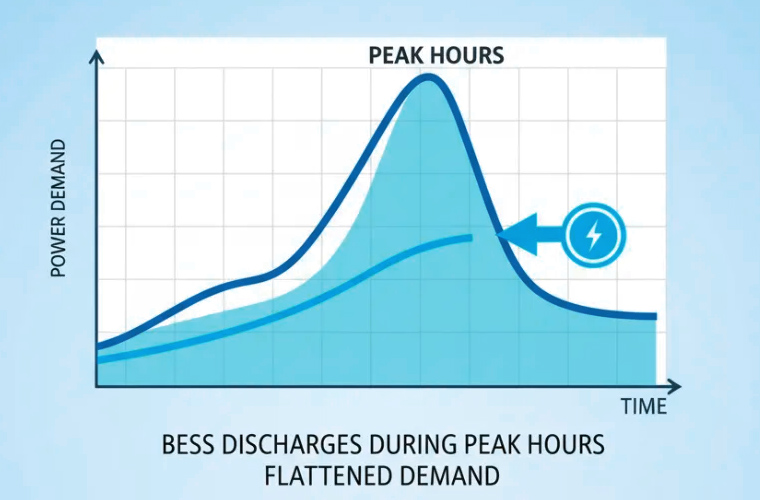
By discharging stored energy during high-demand periods, BESS can:
- Reduce peak import requirements
- Lower demand-related charges
- Smooth operational load profiles
This is particularly valuable for sites with variable or intermittent demand.
Renewable Integration & Curtailment Reduction
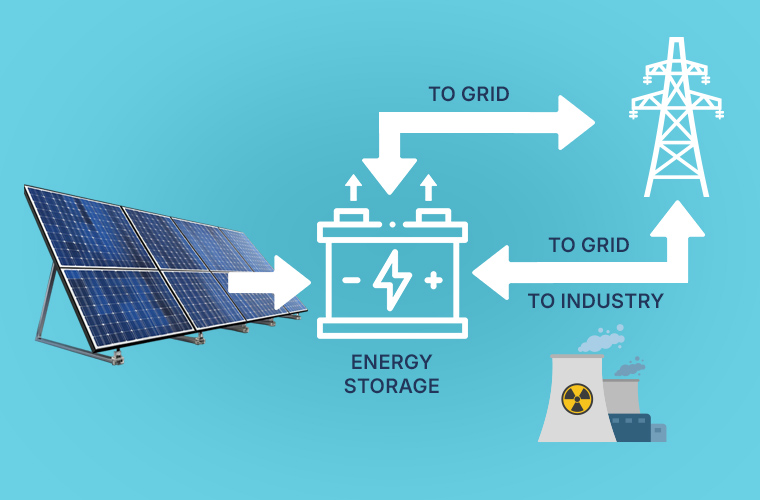
For sites with on-site solar or wind:
- Excess generation can be stored instead of curtailed
- Renewable output can be used when it is most valuable
- Self-consumption is maximised
BESS allows renewable assets to operate more efficiently and predictably.

Energy Cost Optimisation
Industrial energy pricing is increasingly dynamic.
BESS enables:
- Time-of-use optimisation
- Reduced exposure to peak pricing
- Strategic energy dispatch based on tariffs
This shifts energy management from reactive to strategic.
System Design & Engineering Approach
Industrial BESS design requires detailed engineering and modelling.
MySolar’s process includes:
- Site load analysis and interval data review
- Grid connection and export constraint assessment
- Battery sizing and configuration modelling
- Power electronics and inverter integration
- Safety, fire protection and site layout planning
Systems are engineered to be scalable, serviceable and compliant.


Safety, Compliance & Risk Management
- Manufacturer-approved battery technologies
- Fire detection and suppression strategies
- Clear isolation and emergency controls
- Compliance with applicable electrical and grid standards
- Full commissioning and documentation
Grid Interaction & Future Services
Industrial BESS plays a growing role in grid interaction.
While not all projects will participate immediately, systems can be designed to:
- Support future grid services
- Respond to grid signals
- Enable participation in demand response or flexibility markets
Our designs ensure optionality, without over-promising speculative revenue streams.
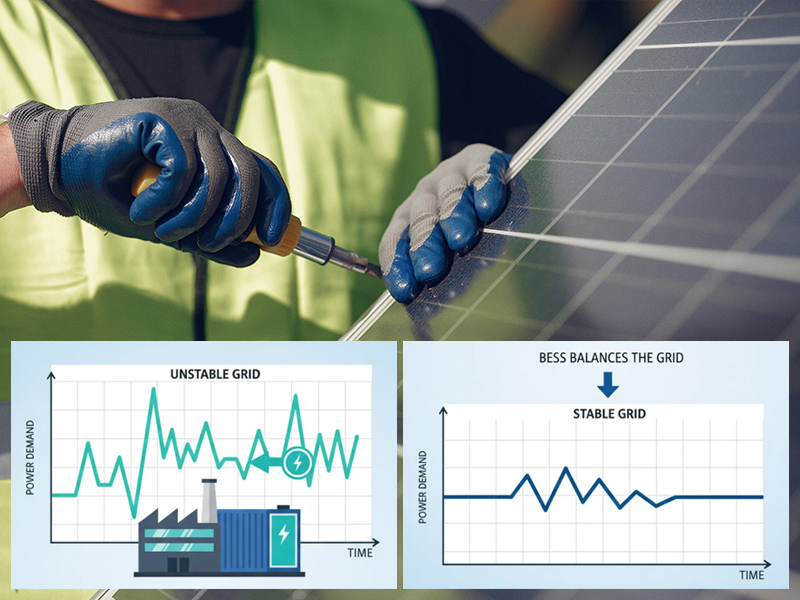

Long-Term Energy Management Services (5–15 Years)
BESS delivers maximum value when actively managed over time.
MySolar offers ongoing energy management services, typically structured over 5 to 15-year terms, which may include:
- Continuous performance monitoring
- Dispatch strategy optimisation
- Tariff and grid signal response
- Maintenance coordination and lifecycle planning
- Reporting for management and governance
This transforms BESS from a static asset into a managed energy service.
Commercial & Contractual Structures
Industrial BESS can be delivered under various models, including:
Customer-Owned Infrastructure
- Capital investment by the customer
- MySolar provides design, delivery and management services
Managed Energy Services
- MySolar retains responsibility for system performance
- Long-term service agreements aligned with operational outcomes
Structures are tailored based on
- Balance sheet preferences
- Risk appetite
- Operational priorities
Who Is Industrial BESS Is Suited For?
Industrial BESS is particularly suited to
- Energy-intensive industrial sites
- Grid-constrained locations
- Sites with large on-site renewables
- Organisations seeking long-term energy cost stability
- Operators planning for electrification and expansion
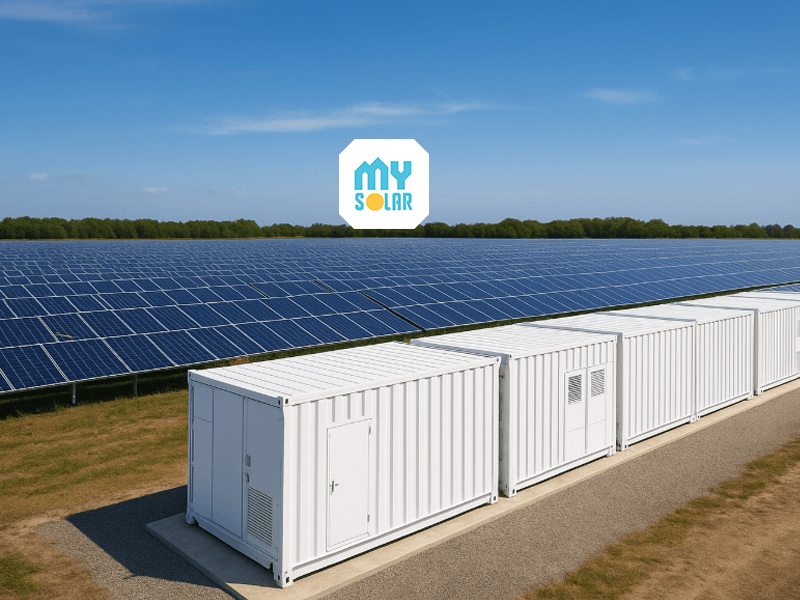
Our Industrial BESS Delivery Process
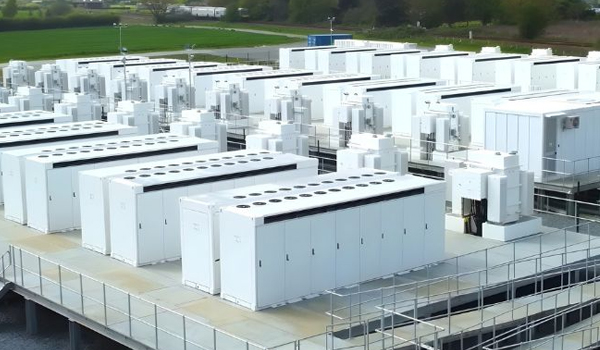
Feasibility & Modelling
- Data-driven assessment of suitability
- Identification of value drivers

System Design & Commercial Structuring
- Engineering design
- Commercial and service model development
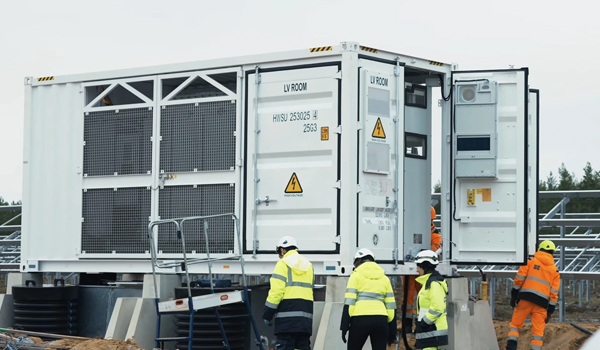
Installation & Commissioning
- Managed installation
- Grid compliance and testing

Ongoing Energy Management
- Active optimisation over the agreed service term
- Performance reporting and continuous improvement
Industrial & Utility Battery Storage – Frequently Asked Questions
An industrial Battery Energy Storage System (BESS) stores electricity in large-scale batteries so it can be used when needed. Businesses can store energy from the grid or from on-site renewable generation such as solar PV and use it later to reduce energy costs, manage peak demand, or provide backup power.
A battery system allows businesses to store electricity when prices are low and use it when prices are higher. This strategy can reduce overall electricity costs, particularly for organisations with high energy consumption or variable demand profiles.
Grid arbitrage involves purchasing electricity when prices are low (typically overnight or during periods of low demand), storing it in a battery system, and using or dispatching that energy during higher-priced periods.
By charging the battery when electricity is cheapest and discharging it when prices are higher, businesses can reduce their effective cost of electricity.
- Annual electricity consumption
- Load profile and peak demand
- Solar generation (if installed)
- Grid connection capacity
- Energy tariff structure
- Battery Management Systems (BMS)
- Thermal monitoring
- Fire suppression systems
- Automated shutdown protections
- Remote monitoring
- Reduced electricity costs
- Peak demand reduction
- Improved utilisation of solar energy
- Protection against energy price volatility
- Potential revenue from grid services
Costs vary depending on system size, battery technology, and installation requirements.
Industrial battery systems are typically evaluated based on total lifetime savings and operational benefits rather than upfront cost alone.
A detailed energy analysis is normally required to determine the most cost-effective system configuration.
- Electricity tariff structure
- Peak demand charges
- Solar generation
- Energy price volatility
- Battery utilisation strategy
Modern battery systems require relatively little routine maintenance.
However, systems should be regularly monitored and maintained to ensure optimal performance, safety compliance, and long-term reliability.
Yes. Battery storage can help manage the high electricity demand associated with EV charging.
By smoothing peak demand and storing energy, battery systems can reduce the need for costly grid upgrades when installing EV charging infrastructure.
MySolar provides ongoing monitoring and optimisation services for battery storage systems.
Through a managed service agreement, our energy management software analyses electricity prices, site consumption patterns, and battery performance to ensure the system operates as efficiently as possible.
This allows the battery to automatically charge and discharge at the most beneficial times, helping maximise savings and overall system performance.
Talk to MySolar About Industrial BESS
Industrial BESS is not a commodity product. It is a long-term energy infrastructure decision.
MySolar works with organisations to design, deliver and manage battery systems that support operational resilience, grid compliance and long-term energy strategy.