


Electricity consumption in the average Irish household comes from a wide range of appliances used every day. Understanding which appliances use the most electricity can help homeowners reduce energy usage and lower electricity bills.
Electricity consumption is measured in kilowatt-hours (kWh). A kilowatt equals 1,000 watts, so if a 1 kW appliance runs for one hour it uses 1 kWh of electricity.
By understanding how different appliances consume electricity, it becomes easier to identify opportunities to reduce energy use and improve efficiency.
Appliances That Use the Most Electricity
Appliances that produce heat tend to consume the most electricity. Devices such as immersion heaters, tumble dryers, electric showers and ovens typically have high power ratings and therefore use more energy.
These appliances often draw between 2 kW and 9 kW, meaning they can quickly increase household electricity consumption.
Common Household Appliance Energy Usage
Appliances often account for the majority of electricity used in many homes.
| Appliance/Activity | Energy Of Appliance | Cost inc. VAT @ 9%* | Based on Usage Of |
|---|---|---|---|
| Immersion | 3 kW | €2.58 | 2 Hours to fully heat 120-litre tank from cold |
| Tumble dryer | 3 kW | €1.25 | 1 Hour of drying |
| Cooking (Oven/Electric) | 2.5 kW | €1.05 | 1 Hour of cooking |
| Dishwasher (D Rated) | 1.5 kW per cycle | €0.65 | Standard 65º cycle |
| Iron | 2.5 kW | €1.02 | Hour of Ironing |
| Desktop Computer | 0.2 kW | €0.40 | 8 Hours of use |
| Washing Machine (D Rated) | 1 kW per cycle | €0.45 | Standard 40º Wash |
| Fridge/Freezer | 0.18 kW/350 kWh annual | €0.41 | 24 Hours running |
| Electric Shower | 9.5 kW | €0.68 | 10 Mins shower |
| Laptop | 0.1 kW | €0.20 | 8 Hours of use |
| Kettle | 2.5 kW | €0.18 | 10 Mins of boiling |
| TV (55" D rated) | 100 kW per 1,000 hours | €0.12 4 | Hours of use |
| Lightbulb 60 Watt | 0.06 kW | €0.15 | 6 Hours of light |
| Hair Dryer | 2 kW | €0.30 | 20 Mins of use |
| Vacuum Cleaner | 0.7 kW | €0.15 | 30 Mins of usage |
| Router | 0.01 kW | €0.08 | One Day’s usage |
| Microwave | 0.8 kW | €0.09 | 15 Mins of use |
| Toaster | 1.5 kW | €0.10 | 10 Mins of use |
Why Heating Appliances Use More Electricity
Appliances that generate heat typically require large amounts of energy. Examples include:
- kettles
- hair dryers
- tumble dryers
- electric showers
These devices heat water or air quickly, which requires higher electrical power.
How to Reduce Household Electricity Consumption
- running appliances during off-peak hours
- upgrading to energy-efficient appliances
- reducing immersion heater usage
- installing smart controls
How Solar Panels Reduce Electricity Bills
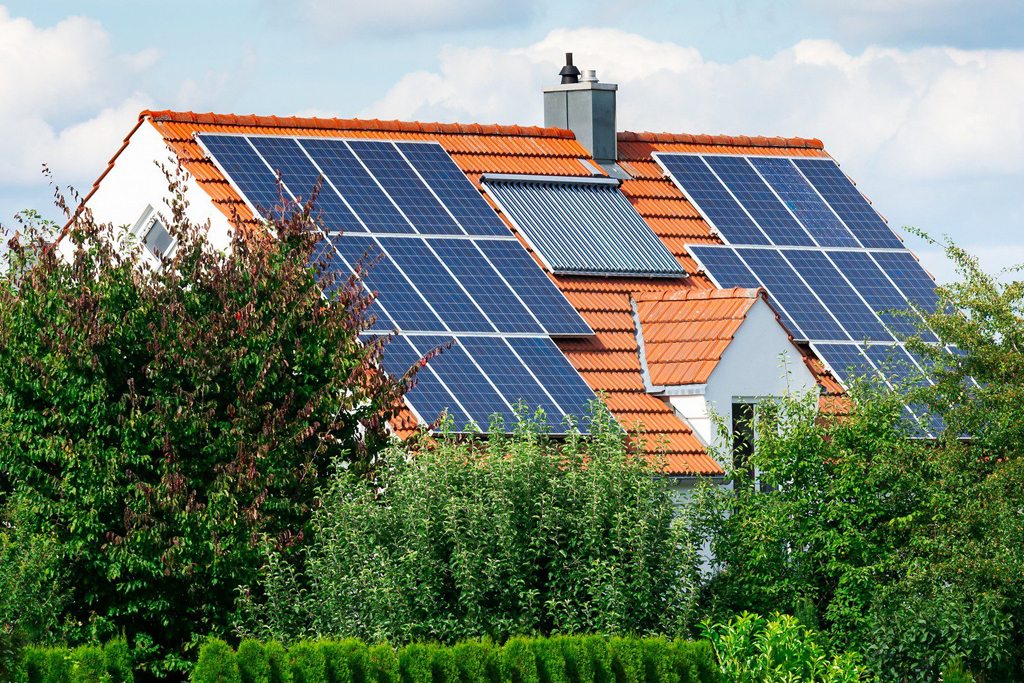
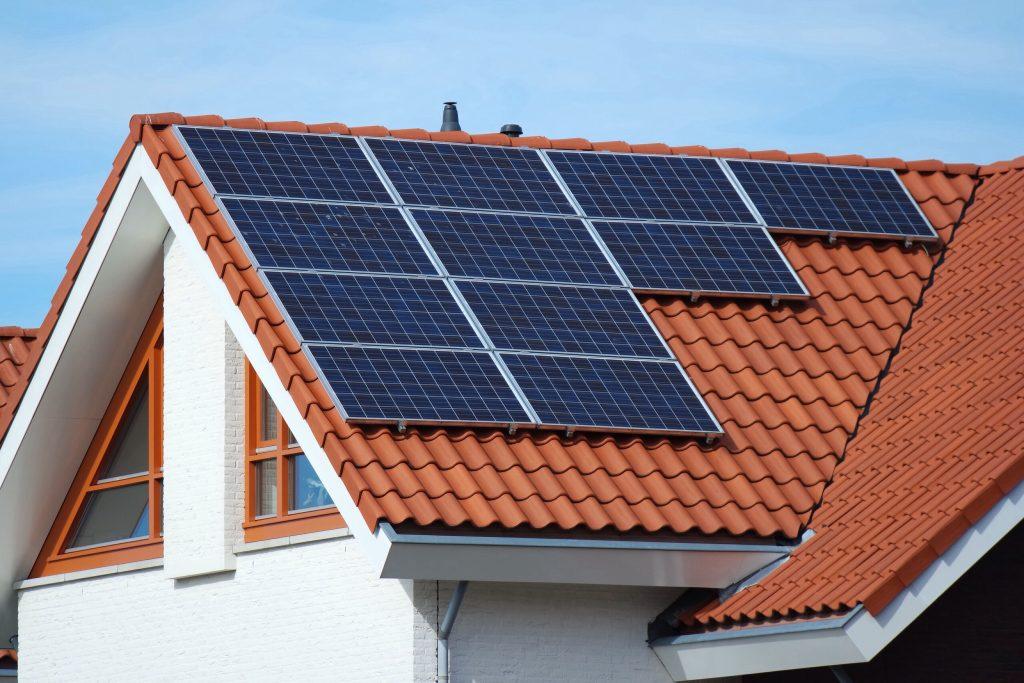
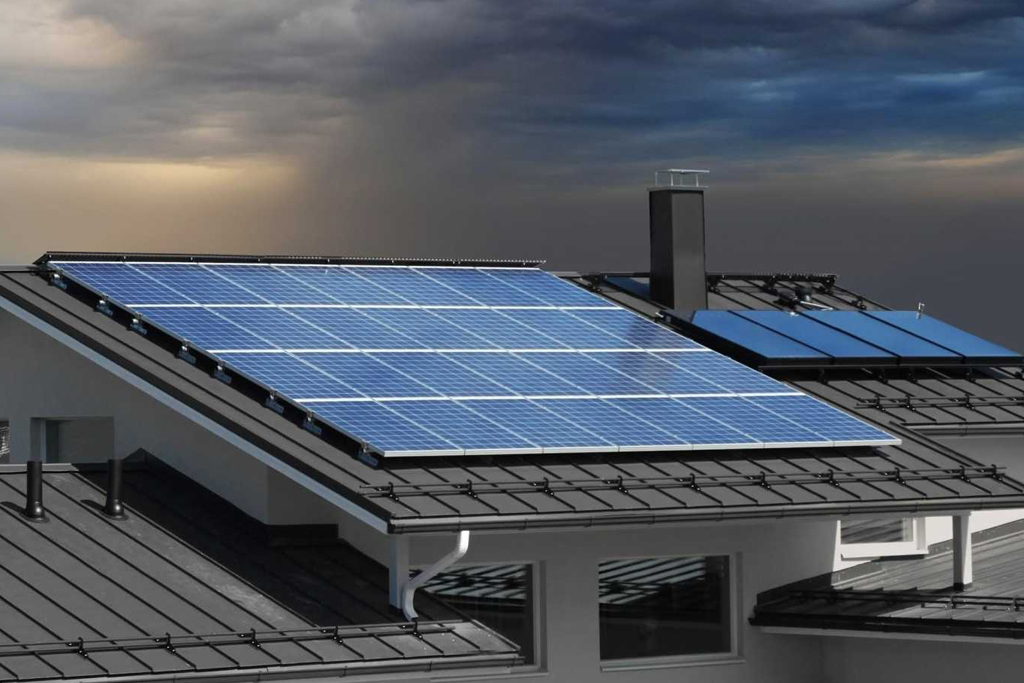
Solar panels generate electricity during daylight hours which can power many household appliances.
By producing electricity directly from the roof, homeowners can reduce the amount of electricity imported from the grid.
For many homes, solar PV systems can offset a significant portion of annual electricity consumption.
In an average Irish household, numerous appliances are in operation on a daily basis. However, have you ever wondered which appliances consume the most electricity and which ones are more economical? Let’s delve into this topic.
To understand electricity consumption, we measure it in kilowatt hours (kWh). A kilowatt (kW) comprises 1,000 watts, so when an appliance with a power rating of 1 kW runs for an hour, it consumes 1 kWh of energy.
Now, let’s explore which appliances tend to be more expensive to run and how we can minimise our consumption and subsequent bills.
One of the initial steps is understanding which appliances utilise the most electricity. Another crucial factor is employing smart practices regarding the timing and frequency of appliance usage.
When purchasing an appliance, its manual usually provides information about its energy consumption. It is advisable to keep this information rather than discarding it.
In general, the higher the power rating in kW, the more energy an appliance consumes. For instance, a 3 kW appliance consumes three times as much energy as a 1 kW device per hour of usage, and five times as much energy as a 600-watt (0.6 kW) device.
However, some appliances like washing machines, dishwashers, refrigerators, and computers only operate at their maximum power rating for short durations, making it challenging to calculate their precise energy consumption and associated costs.
Nonetheless, a useful rule of thumb is that appliances which generate heat quickly tend to be more expensive to operate. Consider items such as kettles, hair dryers, tumble dryers, and electric showers – they have a significant appetite for electricity.
Let’s now examine the potential costs of operating a few appliances throughout the day.
Note: The actual cost will depend on the energy efficiency of the specific appliance, its size, and the unit rate for electricity. For example, a G-rated 65″ TV will consume more energy compared to a C-rated 42″ TV.
Most modern appliances, especially washing machines, tumble dryers, dishwashers, and TVs, are far more efficient than older models. However, energy efficiency ratings (ranging from A to G) are still valuable when choosing an appliance. A-rated appliances are the most energy-efficient.
Furthermore, if you have a night saver meter or a new smart meter installed, you may have the opportunity to benefit from cheaper electricity rates by adjusting your energy usage to off-peak hours.
Frequently Asked Questions
Appliances that generate heat typically use the most electricity. These include immersion heaters, tumble dryers, ovens and electric showers.
The average Irish household uses around 4,200 kWh of electricity per year.
Yes. Many appliances continue to draw power in standby mode, so turning them off completely can reduce electricity consumption.
Appliances that generate heat typically use the most electricity. These include immersion heaters, electric showers, tumble dryers, ovens and kettles. These devices require large amounts of energy because they heat water or air quickly.
Many appliances continue to use small amounts of electricity when in standby mode. Televisions, gaming consoles, internet routers, microwave displays and chargers can all draw electricity when not actively in use. Turning devices off completely can help reduce unnecessary electricity consumption.
Electricity consumption can often be reduced by:
- using energy-efficient appliances
- running washing machines and dishwashers on eco settings
- reducing immersion heater usage
- turning appliances off at the socket
- improving insulation and heating controls
Small changes in daily energy use can make a noticeable difference to electricity bills.
Electricity usage varies depending on the size of the home and the appliances used. Many homes consume several thousand kilowatt-hours of electricity each year, with heating appliances and hot water systems typically accounting for a large portion of that consumption.
FAQs About Solar and Electricity Consumption
Solar panels generate electricity during daylight hours, allowing homes to power appliances using energy produced on the roof rather than electricity imported from the grid. This can significantly reduce the amount of electricity purchased from energy suppliers.
Solar electricity can power most appliances in a home including refrigerators, washing machines, dishwashers, televisions and lighting. During daylight hours many homes can run several appliances using solar energy.
Solar panels can provide a large portion of a home’s electricity needs, particularly during daytime hours. The exact amount depends on the system size, the household’s electricity usage and seasonal sunlight levels.
Yes. When a solar system generates electricity, that power is used in the home before electricity is imported from the grid. This reduces grid consumption and can lower overall electricity bills.
Solar panels can help offset the electricity used by high-energy appliances such as washing machines, dishwashers and electric ovens when they are used during daylight hours. Running appliances when solar generation is highest can increase the amount of solar electricity used in the home.
Solar panels produce electricity throughout the year, although output is lower in winter compared with summer. Even during winter months solar systems can still contribute to household electricity usage and reduce grid imports.
Yes. Battery storage systems allow excess solar electricity generated during the day to be stored and used later in the evening when energy demand increases.
Yes. Running appliances during the day when your solar panels are generating electricity can help you maximise the use of the energy produced by your system.
Solar panels generate the most electricity during daylight hours, typically between mid-morning and late afternoon. By using appliances such as washing machines, dishwashers and tumble dryers during these periods, you can use the electricity produced by your solar panels rather than importing electricity from the grid.
This approach is often referred to as increasing solar self-consumption.
Using appliances when solar generation is highest can:
- reduce the amount of electricity purchased from the grid
- maximise the value of the electricity produced by your solar panels
- reduce exposure to peak electricity prices
Many households choose to run appliances such as washing machines, dishwashers or immersion heaters during the day to make the most of solar energy production.
Smart timers, programmable appliances and home energy management systems can also help schedule appliance usage during periods of solar generation.
Many households choose to run appliances such as washing machines, dishwashers or immersion heaters during the day to make the most of solar energy production.
Smart timers, programmable appliances and home energy management systems can also help schedule appliance usage during periods of solar generation.